A lot of people assume shopping for vaping supplies is like buying a gallon of milk; you just head to the corner store, pay the sticker price, and walk out. They think once a product is listed on a website, that’s the final cost. That’s a mistake, and it ends up costing the average user a lot of money over a year of regular use.
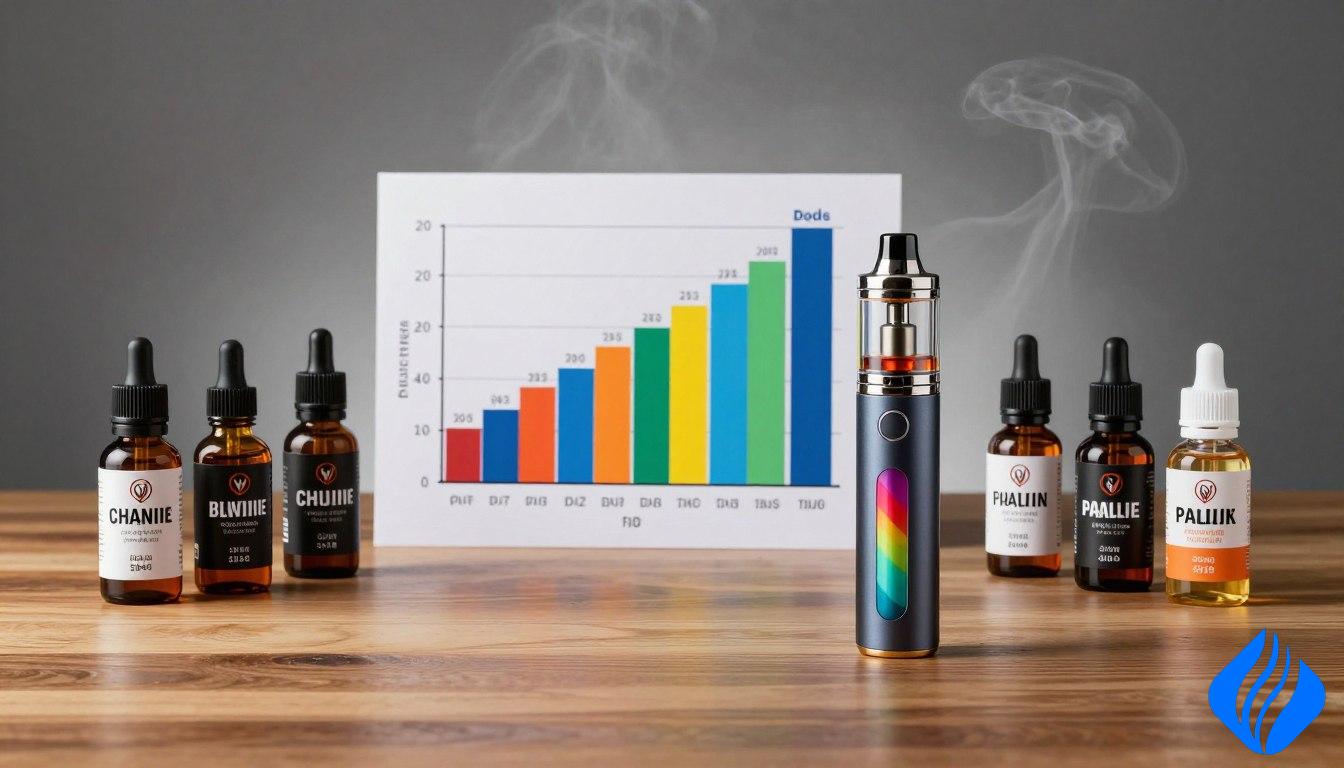
The digital vaping market is actually a pretty chaotic, fragmented mess. Prices for the exact same 60ml bottle of e-liquid or the same replacement pod can swing by 30% or 40% depending on which shop you land on. One store might be clearing out specific nicotine strengths, while another has hiked prices to cover expensive marketing or shipping costs.
Since the industry is spread across thousands of niche retailers, it’s nearly impossible to manually check every tab in your browser. You might spend twenty minutes hunting for a specific flavor, only to find out someone else was selling it for five dollars less. This is why comparison tools have moved from being a luxury to something anyone who vapes regularly actually needs.
The Math of Modern Vaping Expenses
Think about a regular user who goes through two 60ml bottles of e-liquid every month. If they buy from a retailer charging $22 per bottle, they spend $528 a year. But if they use a comparison tool to find shops selling that same liquid for $16, that total drops to $384. That $144 difference is money that could have gone toward a new device or a dinner out.
The math gets even messier when you factor in hardware. A high-end mod or a specialized tank isn’t a one-time purchase; you’re constantly paying for coils, glass, and batteries. When you add up the cost of coils for a device over six months, the savings from finding a better deal become obvious. It isn’t just about the big items; it’s about the small, recurring costs that bleed a budget dry.
Is it worth spending an hour of your weekend scrolling through twenty different tabs to save ten dollars? Probably not. That’s why specialized search engines have changed how people approach the hobby. Instead of manual searching, users now rely on tools that pull data from dozens of different sources all at once.
If you want to see how pricing mechanics work, https://vaposearch.com/ lets you look at products across 26 different shops. This is useful because it doesn’t just rely on merchant feeds or copied listings, which are often outdated. It actually checks the shops so the price you see is the price you pay at checkout.
For variety, the options are massive. Some tools focus on sheer volume, while others focus on technical specs. The market has split: some tools are for the casual user looking for a quick deal on pods, while others are built for enthusiasts who need to compare things like wattage and battery life.
| Service Type | Core Functionality | Key Metric |
| Broad Price Aggregator | Finds the cheapest option for a specific product | Total Cost |
| Spec-Heavy Search | Filters devices by battery, wattage, or tank size | Technical Fit |
| Global Comparison | Tracks prices across different countries | Shipping & Customs |
Finding the Right Gear Without the Guesswork
Finding the perfect device is often harder than finding the lowest price. A beginner might walk into a shop and be faced with a massive array of mods, pod systems, and starter kits, most of which are overkill. They often end up with a device that is too heavy, too complicated, or just doesn’t provide the hit they wanted.
Technical comparison tools help with this. Instead of just looking at a picture, you can filter by actual performance data. If you know you need a specific battery life or tank capacity, you can narrow down your choices instantly. This stops you from buying a device only to realize a week later that it doesn’t hold enough juice for your lifestyle.
One way to handle this is through detailed filtering. VapeMatcher lets you filter through 600+ different vape devices. You can narrow the list by type, price, battery capacity, tank size, and even wattage. This turns a frustrating search into something much more precise, so you don’t waste money on a device that doesn’t fit how you vape.
The complexity of the market means “cheap” isn’t always “good.” A very cheap device might have a battery that fails after three weeks or a coil that burns out almost immediately. This is why comparing specs is just as important as comparing the price tag. You aren’t just looking for the lowest number; you’re looking for the best value.
A seasoned vaper knows that a cheap mod with terrible airflow or a bad chipset is a waste of money. They look at the specs first. They check if the wattage range matches their preferred coil and if the tank size means they’ll be refilling every hour or once a day. The tools available today let you do this in seconds.
The Global Scale of Vaping Retail
Vaping isn’t just a local hobby; it’s a global industry with suppliers on every continent. That creates a massive logistical headache. If you find a great price on a site in Europe, you have to account for shipping, import duties, and the risk that the product won’t arrive. A “great deal” can quickly become an expensive mistake once customs gets involved.
Because of this, some comparison engines have gone massive. They don’t just look at local shops; they look at the entire international market. This helps you decide whether to buy from a domestic retailer to save on shipping or if it’s worth paying the extra tax to get a specific, hard-to-find product from overseas. It gives you the full picture before you spend any money.
For example, VapoChecker tracks prices across 270+ shops in over 50 different countries. This is helpful for people looking for high-end vaporizers that might not be available in their local shops. It provides a daily look at what’s happening globally, so you can see where the true bargains are hiding.
This global visibility also helps identify trends. If a certain brand of e-liquid suddenly shows up at a lower price across multiple international vendors, it might indicate a change in supply or manufacturing costs. That information is useful if you buy in bulk to keep your costs down.
These platforms use a few different ways to keep their data fresh:
- Manual Verification: Some sites use teams to check shop prices to ensure accuracy.
- Daily Updates: Most reputable tools refresh their databases every 24 hours to catch flash sales.
- Direct Database Integration: Large search engines pull from manufacturer databases to ensure everything is listed.
- Regional Filtering: Users can filter by their specific country to avoid unexpected shipping costs.
Navigating the Sea of E-Liquids and Pods
The most common purchase for any vaper is e-liquid. This is where price volatility is most noticeable. Nicotine salts, traditional freebase liquids, and CBD options all have different pricing and availability. A shop might be great for heavy-hitting mods but terrible for liquid prices, or vice versa. This makes finding a “one-stop-shop” difficult, which is why a search engine approach works so well.
The volume of products is staggering. Some specialized engines claim to house hundreds of thousands of products. This means you aren’t just searching for a brand; you’re searching for a specific milliliter count, a specific nicotine strength, and a specific flavor profile. It’s a level of detail that was impossible to manage a decade ago.
Price-driven shoppers often find the best deals are hidden in plain sight. A shop might have a massive selection of coils and pods but very little liquid. Another might have a massive liquid warehouse but few accessories. Using a tool like Vape Observation allows you to jump between these specialized stores to find exactly what you need at the lowest cost.
The goal is to avoid the “convenience tax.” Most people pay more simply because it’s easier or they don’t know any better. They stick to the same one or two shops even if they are consistently overpaying. The tools available today make it much harder to justify that extra expense.
As technology inside these devices continues to change, the market will only get more complex. Users will likely see even more specialized tools designed to handle the increasing variety of hardware and liquid formulations hitting the shelves every month.
Quick answers
How does a vape price comparison service work?
It aggregates real-time pricing data from various online retailers to show you the cheapest options for specific e-liquids or hardware.
Can I save money using a vape price comparison tool?
Yes, it helps you identify the lowest prices and current sales, preventing you from overpaying for the same products across different vendors.
Does the comparison service include shipping costs?
Some advanced comparison tools include estimated shipping fees, but many focus primarily on the base product price to show the initial cost difference.
Are the prices on the comparison site always up to date?
Most services use automated scrapers to provide live data, but prices may occasionally vary slightly when you click through to the retailer's site.
Is it safe to use a vape price comparison website?
The comparison site itself is a search tool and does not handle your payment; you complete your purchase directly on the retailer's secure website.
{“@context”: “https://schema.org”, “@type”: “Article”, “headline”: “The Myth of the Fixed Price in the Vaping Market”, “description”: “A lot of people assume shopping for vaping supplies is like buying a gallon of milk; you just head to the corner store, pay the sticker price, and walk out. They think once a product is listed on a website, that’s the final cost. That’s a mistake, and it ends up costing the average user a lot of mon”, “datePublished”: “2026-08-12”, “dateModified”: “2026-08-12”}